fodmap diet pdf stanford pdf

Stanford University’s comprehensive FODMAP diet PDF offers vital guidance for managing digestive issues like IBS. This resource details reducing fermentable carbohydrates,
a cornerstone of the diet.
Researchers initially developed the low-FODMAP approach at Monash University, but Stanford provides accessible resources for implementation and understanding.
What are FODMAPs?
FODMAP is an acronym standing for Fermentable Oligo-, Di-, Mono-saccharides and Polyols. These are short-chain carbohydrates – sugars – that are poorly absorbed in the small intestine.
Consequently, they travel to the large intestine where they are fermented by gut bacteria. This fermentation process can produce gas, bloating, abdominal pain, diarrhea, or constipation – common symptoms in individuals with Irritable Bowel Syndrome (IBS).
The Stanford resources, like the FODMAP diet PDF, emphasize identifying and temporarily reducing high-FODMAP foods. This reduction aims to alleviate digestive distress. Understanding these carbohydrates is crucial for successfully navigating the diet, as outlined in both Stanford and Monash University materials.
The goal isn’t necessarily lifelong elimination, but rather a structured approach to identify individual triggers.
The Role of Stanford University in Low-FODMAP Research
While Monash University pioneered the low-FODMAP diet, Stanford University plays a significant role in disseminating information and providing accessible resources. Their detailed FODMAP diet PDF serves as a practical guide for patients and healthcare providers alike.
Stanford’s contribution lies in translating complex research into user-friendly materials. The university’s handout, available as a PDF, simplifies the diet’s principles and offers guidance on implementation. This is particularly helpful for individuals newly diagnosed with IBS or other digestive disorders.
Furthermore, Stanford resources complement Monash’s work, offering an alternative source of information and support. Accessing the Stanford PDF through platforms like US Legal Forms facilitates easy download and utilization.
Their focus is on practical application and patient education.

Understanding the Stanford Low-FODMAP Resources
Stanford’s key resource is a detailed FODMAP diet PDF, offering guidelines for managing IBS. It’s a valuable tool for navigating dietary restrictions effectively.
The Stanford FODMAP Diet PDF: Overview
Stanford University’s FODMAP diet PDF serves as a central resource for individuals seeking to manage digestive discomfort, particularly symptoms associated with Irritable Bowel Syndrome (IBS). This document comprehensively outlines the principles of a low-FODMAP diet, detailing which foods are high and low in FODMAPs – fermentable oligosaccharides, disaccharides, monosaccharides, and polyols.
The PDF isn’t simply a list; it provides a structured approach to dietary modification. It explains the rationale behind reducing these specific carbohydrates, as they can be poorly absorbed in the small intestine, leading to fermentation and subsequent gastrointestinal distress. The document aims to empower patients with knowledge, enabling them to make informed food choices and improve their quality of life. It’s designed to be a practical guide, assisting in both understanding and implementing the diet effectively.
Furthermore, the PDF often includes helpful tips for navigating food labels and identifying hidden sources of FODMAPs, making the process less daunting;
Key Guidelines within the Stanford PDF
Stanford University’s FODMAP diet PDF emphasizes a phased approach to dietary changes. It strongly advocates for a strict elimination phase, removing high-FODMAP foods to assess symptom improvement. This initial phase is crucial for identifying sensitivities. Following this, the PDF details a systematic reintroduction phase, where foods are reintroduced individually to pinpoint specific triggers.
A core guideline is meticulous record-keeping – tracking food intake and associated symptoms. This data is vital for personalization. The PDF stresses that the low-FODMAP diet isn’t intended as a long-term solution, but rather a tool for identifying problem foods.
It also highlights the importance of seeking guidance from a registered dietitian for personalized support and to ensure nutritional adequacy throughout the process. The document underscores that individual tolerances vary, and a tailored approach is essential.

Implementing the Low-FODMAP Diet
Stanford’s PDF guides a three-phase process: elimination of high-FODMAP foods, systematic reintroduction to identify triggers, and personalized long-term dietary planning for symptom management.
The Three Phases: Elimination, Reintroduction, and Personalization
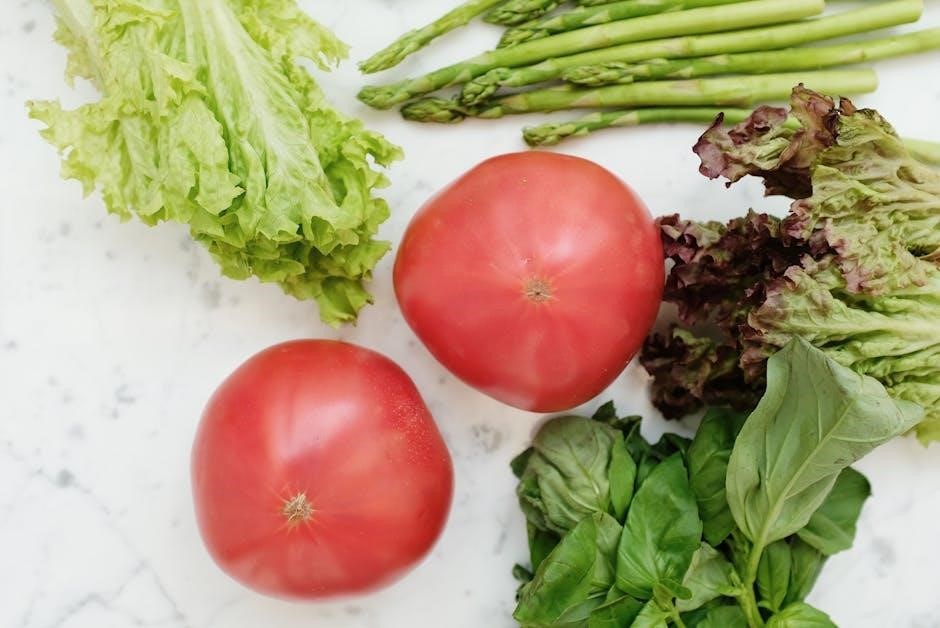
Stanford’s low-FODMAP diet, as detailed in their PDF, is structured around three distinct phases. The initial elimination phase drastically restricts high-FODMAP foods for 2-6 weeks to calm digestive symptoms. Following this, the reintroduction phase systematically adds individual FODMAP groups back into the diet, one at a time, carefully monitoring for symptom recurrence.
This phase is crucial for identifying specific trigger foods. Finally, the personalization phase involves crafting a long-term diet that minimizes problematic FODMAPs while maximizing nutritional intake and dietary enjoyment. It’s about finding a sustainable balance, not strict restriction. The PDF emphasizes that this isn’t a lifelong diet, but a tool for understanding individual tolerances.
Foods to Avoid During the Elimination Phase
Stanford’s low-FODMAP PDF outlines a comprehensive list of foods to avoid during the initial elimination phase. High-FODMAP offenders include garlic and onions, both significant sources of fructans. Fruits like apples, pears, and mangoes, containing high levels of fructose and polyols, are also restricted.
Dairy products containing lactose, wheat and rye products with fructans, and certain legumes like beans and lentils must be eliminated. Honey and high-fructose corn syrup are also off-limits. The PDF stresses avoiding these foods completely for optimal symptom relief. Careful label reading is essential, as FODMAPs can be hidden in processed foods. This strict avoidance is temporary, paving the way for targeted reintroduction.
Foods Generally Allowed on a Low-FODMAP Diet
Stanford’s low-FODMAP PDF details numerous foods generally considered safe during the elimination phase. These include most vegetables like carrots, spinach, and zucchini, offering essential nutrients. Protein sources such as meat, poultry, fish, and eggs are typically well-tolerated.
Lactose-free dairy alternatives, like almond or rice milk, provide calcium without the problematic lactose. Gluten-free grains, such as quinoa and rice, are permissible. Certain fruits in limited quantities, like bananas and blueberries, can be enjoyed. Casa de Sante provides printable shopping lists to aid in navigating these choices. The PDF emphasizes focusing on these allowed foods to ensure adequate nutrition during the restrictive diet.

Utilizing Monash University Resources
Monash University pioneered the low-FODMAP diet and offers a helpful smartphone app alongside an informative blog, complementing Stanford’s PDF guidance.
Monash University FODMAP Diet App
Monash University’s FODMAP Diet App is an invaluable tool for anyone navigating the complexities of a low-FODMAP diet. Developed by the very researchers who pioneered the diet, the app provides up-to-date information on the FODMAP content of thousands of foods.
Unlike static lists, the app is regularly updated with new food analyses and portion size guidance. Users can search for specific foods, view detailed FODMAP breakdowns, and receive personalized recommendations. It’s a significant advantage when used alongside resources like Stanford University’s PDF, offering a dynamic and portable reference.
The app also includes a symptom tracker, allowing individuals to monitor their response to different foods during the reintroduction phase. This feature helps identify trigger foods and personalize the diet effectively. It’s available for both iOS and Android devices, making it accessible to a wide range of users.
Monash University Website and Blog
Monash University’s website serves as a central hub for comprehensive information regarding the low-FODMAP diet, complementing resources like the Stanford FODMAP diet PDF. It provides detailed explanations of FODMAPs, the diet’s phases, and scientific research underpinning the approach.
Their regularly updated blog features articles written by registered dietitians and researchers, addressing common questions and debunking myths surrounding the diet. This is particularly useful for staying current with the latest findings and best practices. The website also offers downloadable resources, including food lists and meal planning guides.
While Stanford provides practical guidelines, Monash offers a deeper dive into the scientific rationale and ongoing research. Both resources, used in tandem, empower individuals to effectively manage their digestive health through informed dietary choices.

Practical Tools and Lists
Casa de Sante offers printable low-FODMAP shopping lists, aiding implementation alongside the Stanford FODMAP diet PDF. US Legal Forms provides fillable templates too.
Printable Low-FODMAP Shopping Lists (Casa de Sante)
Casa de Sante provides a valuable, free resource for individuals navigating the complexities of the low-FODMAP diet: printable shopping lists. These lists are designed to simplify grocery shopping, ensuring you select foods aligned with the dietary restrictions outlined in resources like the Stanford FODMAP diet PDF.
Starting a low-FODMAP diet can be initially overwhelming, with numerous foods to consider and avoid. These pre-populated lists categorize items based on their FODMAP content, making it easier to identify suitable choices. They help reduce frustration and increase adherence to the diet, ultimately supporting better digestive health.
The lists are readily available in PDF format, allowing for easy download and printing. They serve as a practical companion to the Stanford guidelines, offering a tangible tool to aid in successful implementation of the diet.
Navigating Food Labels
Successfully implementing the low-FODMAP diet, guided by resources like the Stanford FODMAP diet PDF, requires diligent attention to food labels. Many processed foods contain hidden FODMAPs, often disguised under various ingredient names. Understanding how to decipher these labels is crucial for avoiding unwanted digestive symptoms.
Look beyond the primary ingredient list and scrutinize additives like high-fructose corn syrup, honey, and sugar alcohols (sorbitol, mannitol, xylitol). These are common FODMAP triggers. Be aware that ingredients like “natural flavors” can sometimes conceal high-FODMAP substances.
The Stanford guidelines, alongside tools from Monash University, can help you identify problematic ingredients. Careful label reading empowers you to make informed food choices and maintain a low-FODMAP intake.

Specific Food Considerations
Stanford’s FODMAP diet PDF highlights garlic and onion as significant offenders. It also addresses lactose intolerance, offering guidance for dairy alternatives and management.
Garlic and Onion: High FODMAP Offenders
Garlic and onion are notoriously high in fructans, a type of FODMAP, making them problematic for individuals following a low-FODMAP diet. The Stanford FODMAP diet PDF explicitly identifies these as foods to avoid during the elimination phase. Even small amounts can trigger symptoms like bloating, gas, and abdominal pain in sensitive individuals.
Interestingly, garlic powder isn’t a suitable substitute; it’s essentially dehydrated and ground garlic, retaining its high FODMAP content. The Reddit forum r/lowfodmap frequently discusses this, with users noting the difficulty in finding alternatives that replicate the flavor profile. Infused oils, where the garlic or onion is removed before use, are often recommended as a flavor enhancer without the FODMAP load, as detailed in various online resources.
Understanding this distinction is crucial for successful implementation of the diet, as outlined in the Stanford materials.
Lactose Intolerance and the Low-FODMAP Diet
Lactose, the sugar found in dairy products, is a common FODMAP that many individuals struggle to digest, often overlapping with lactose intolerance. The Stanford FODMAP diet PDF addresses this by recommending a reduction or elimination of lactose-containing foods during the initial phase. This includes milk, yogurt, and soft cheeses.
However, the diet doesn’t necessarily mean complete dairy avoidance. Lactose-free alternatives are generally well-tolerated and encouraged. Hard cheeses, like cheddar and parmesan, naturally contain lower levels of lactose and may be permissible in small quantities.
Careful label reading is essential, as lactose can be a hidden ingredient in processed foods. Resources like the Monash University app can provide specific guidance on lactose content, complementing the information found within the Stanford guidelines.

Finding and Accessing the Stanford PDF
Stanford’s low-FODMAP PDF is available online through various sources, including US Legal Forms, offering fillable templates for convenient access and use.
Online Availability and Download Sources
Stanford University’s low-FODMAP diet PDF isn’t consistently hosted on the university’s primary website, making direct access somewhat challenging. However, several reputable online platforms archive and provide access to this valuable resource. US Legal Forms is a prominent source, offering a fillable and downloadable version of the Stanford FODMAP diet PDF.
pdfFiller also hosts the document, allowing users to complete, edit, and sign the PDF online. Additionally, searching online using specific keywords like “Stanford University Low FODMAP Diet Handout PDF” often yields results from document-sharing websites and university archives. Reddit’s r/lowfodmap community frequently discusses the document’s availability and shares links, though these may change over time. It’s crucial to verify the source’s legitimacy before downloading to ensure you’re accessing the official Stanford guidelines.
US Legal Forms and Fillable Templates
US Legal Forms provides a convenient platform to access the Stanford University Low FODMAP Diet PDF as a fillable template. This means users can directly input information into the document, rather than simply printing and handwriting it. The platform offers a streamlined process for completing the PDF, editing sections as needed, and digitally signing it for record-keeping.
This service is particularly useful for individuals who prefer a digital workflow or need to share the completed diet plan with healthcare professionals electronically. US Legal Forms ensures the document remains compliant and legally sound. Accessing the Stanford PDF through this site often requires a subscription or a one-time purchase fee, but it provides a readily available and editable version of the essential dietary guidelines.

Community Support and Information
Reddit’s r/lowfodmap forum is a valuable resource, with users discussing the Stanford FODMAP diet PDF and sharing experiences navigating this dietary approach.
Reddit’s r/lowfodmap Forum
Reddit’s r/lowfodmap forum serves as a dynamic and supportive online community for individuals navigating the complexities of the low-FODMAP diet. Users frequently discuss challenges and successes related to implementing the diet, often referencing the Stanford FODMAP diet PDF as a key resource.
The forum provides a platform for sharing experiences, asking questions, and receiving advice from others who understand the dietary restrictions. Members often seek help locating resources like the Stanford PDF, as online availability can fluctuate. Discussions frequently revolve around interpreting the guidelines within the PDF and adapting them to individual needs.
Furthermore, the forum is a space to discuss specific food considerations, like garlic and onion, and how to manage cravings while adhering to the diet. It’s a valuable tool for finding encouragement and practical tips from fellow dieters.
Sharing Experiences and Finding Support
Successfully adopting a low-FODMAP diet often hinges on connecting with others who understand the challenges. Sharing experiences provides invaluable emotional support and practical advice, particularly when utilizing resources like the Stanford FODMAP diet PDF.
Online forums, such as Reddit’s r/lowfodmap, allow individuals to discuss their journeys, troubleshoot difficulties, and celebrate milestones. Many users share how they’ve adapted recipes or found low-FODMAP alternatives based on the guidelines in the Stanford PDF.
This communal aspect is crucial, as the diet can feel isolating. Hearing from others who’ve successfully managed IBS symptoms through dietary changes fosters hope and motivation. Support groups offer a safe space to ask questions and receive encouragement, making the process less daunting.

Long-Term Management and Considerations
The Stanford FODMAP diet PDF emphasizes personalization and working with a registered dietitian for sustainable, long-term dietary strategies beyond the initial phases.
Personalizing Your Diet
Successfully navigating the low-FODMAP diet long-term requires a personalized approach, moving beyond the strict elimination phase outlined in resources like the Stanford FODMAP diet PDF. Reintroduction is key; systematically reintroducing FODMAP groups helps identify individual trigger foods and tolerance levels.
The Stanford materials, alongside tools like the Monash University app, support this process. It’s not about eliminating FODMAPs entirely, but rather finding your threshold. Some individuals may tolerate small amounts of certain FODMAPs without experiencing symptoms, while others require stricter limitations.
This individualized plan ensures nutritional adequacy and prevents unnecessary restrictions. Regularly reassess your diet and symptoms, and consider consulting a registered dietitian for tailored guidance and ongoing support in optimizing your low-FODMAP lifestyle.
Working with a Registered Dietitian
While resources like the Stanford FODMAP diet PDF provide a strong foundation, a Registered Dietitian (RD) offers invaluable personalized support. They can help interpret the complex information and tailor the diet to your specific needs, medical history, and lifestyle.
An RD assists with accurate symptom tracking, ensuring proper reintroduction protocols, and identifying potential nutrient deficiencies that may arise from dietary restrictions. They can also address challenges in navigating food labels and dining out, maximizing the effectiveness of the diet.
Furthermore, an RD can help differentiate between FODMAP sensitivities and other underlying digestive issues; They provide evidence-based guidance, ensuring a safe and sustainable approach to long-term gut health, complementing the information found in the Stanford materials and the Monash app.