manual fuel pump
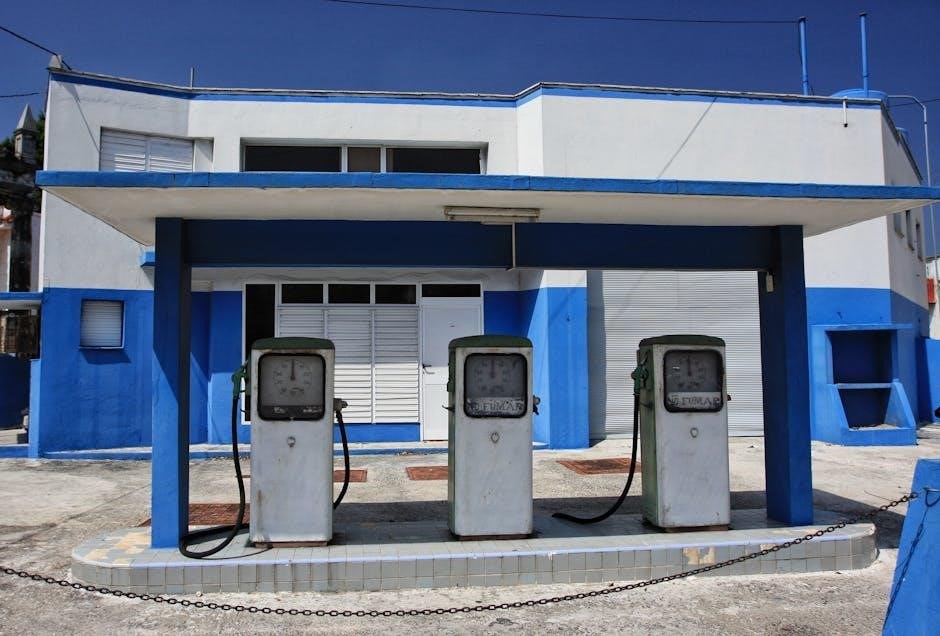
Manual fuel pumps are essential components‚ drawing fuel from the tank via lines and filters to the engine’s carburetor or injectors‚ ensuring proper operation․
What is a Manual Fuel Pump?
A manual fuel pump is a mechanically operated device designed to transfer fuel from a vehicle’s fuel tank to the engine․ Unlike electric pumps‚ it relies on engine motion – often via a camshaft or lever – to create the necessary suction and pressure․ These pumps are crucial for engines that lack an integrated electric fuel pump system․
Essentially‚ it “pumps” fuel‚ delivering it at a controlled rate and pressure․ They are commonly found in classic cars‚ vintage engines‚ and small engine applications‚ offering a reliable‚ albeit simpler‚ alternative to modern electric systems․
The Role of a Fuel Pump in Engine Operation
The fuel pump plays a vital role in engine operation by consistently supplying fuel to the carburetor or fuel injectors․ This consistent delivery is essential for combustion‚ powering the engine․ Without a functioning fuel pump‚ the engine will struggle to start or will stall due to fuel starvation․
It creates the necessary suction to draw fuel from the tank and then generates the pressure needed to overcome resistance in the fuel lines and deliver fuel effectively․ Proper fuel pressure ensures optimal engine performance and efficiency․
Types of Manual Fuel Pumps
Manual fuel pumps come in various designs‚ including diaphragm‚ piston‚ and lever arm types‚ each utilizing different mechanisms to transfer fuel efficiently․
Diaphragm Fuel Pumps
Diaphragm fuel pumps are a common type‚ utilizing a flexible diaphragm moved by a mechanical linkage․ This movement creates a pumping action‚ drawing fuel from the tank and delivering it to the engine․ They are known for their reliability and ability to handle varying fuel pressures․
The diaphragm’s flexing action generates the necessary suction to lift fuel‚ and subsequent pressure to push it forward․ These pumps are often favored in applications where a consistent fuel flow is crucial‚ and they are relatively simple in design‚ contributing to ease of maintenance and repair․ They are a staple in many classic engine designs․
Piston Fuel Pumps
Piston fuel pumps operate by employing a piston within a cylinder to directly push fuel towards the engine․ Connected to the engine via a belt or linkage‚ the piston’s reciprocating motion creates the pumping action․ This design is known for generating higher pressures compared to diaphragm pumps‚ making them suitable for engines requiring substantial fuel delivery․
The piston’s movement creates suction during the intake stroke‚ drawing fuel into the cylinder‚ and then forces it out during the compression stroke․ These pumps are robust and efficient‚ though potentially more complex than diaphragm types‚ requiring careful maintenance to ensure optimal performance and longevity․
Lever Arm Fuel Pumps
Lever arm fuel pumps utilize a mechanical linkage‚ often connected directly to the engine’s camshaft‚ to operate a pumping mechanism․ This linkage translates rotational motion into reciprocating action‚ driving a lever that actuates a diaphragm or piston․ They are a relatively simple and reliable design‚ commonly found in older engine applications․
The lever arm’s movement creates the necessary suction to draw fuel from the tank and then delivers it to the engine․ While generally less precise than other pump types‚ their straightforward construction makes them easy to maintain and repair‚ contributing to their continued use in classic and vintage engines․

How a Manual Fuel Pump Works
Manual fuel pumps create suction to draw fuel‚ then utilize a pumping mechanism—diaphragm or piston—to deliver fuel at a controlled pressure to the engine․
The Suction Process
The initial stage of operation involves creating a vacuum within the fuel pump chamber․ This is achieved through the reciprocating motion of either a diaphragm or piston‚ effectively increasing the volume and lowering the pressure․ This pressure differential is crucial‚ as it allows atmospheric pressure to push fuel from the tank‚ through the fuel lines‚ and ultimately towards the pump’s inlet valve․
Essentially‚ the pump doesn’t ‘pull’ fuel; it creates a space for the fuel to be ‘pushed’ into by the pressure existing within the fuel tank․ This suction action is fundamental to initiating the fuel delivery process‚ ensuring a consistent supply to the engine’s carburetor or fuel injectors․
The Pumping Mechanism
Once the fuel enters the pump chamber due to the suction created‚ the pumping mechanism takes over․ The reciprocating motion – driven by a lever arm or engine linkage – now decreases the chamber volume․ This compression forces the fuel past the inlet valve and towards the outlet valve‚ building pressure within the fuel line․
This consistent compression and release cycle ensures a continuous flow of fuel․ The design of the pump‚ whether diaphragm or piston-based‚ dictates the efficiency and pressure generated․ This pressurized fuel is then ready for delivery to the engine‚ maintaining a stable fuel supply for combustion․
Fuel Delivery to the Engine
The pressurized fuel‚ generated by the pumping mechanism‚ travels through the fuel lines towards the engine’s carburetor or fuel injectors․ This consistent delivery is crucial for maintaining optimal engine performance and preventing stalling․ The fuel pump ensures a steady supply‚ even under varying engine loads and speeds․
Proper fuel pressure is vital for efficient combustion․ The manual pump’s ability to consistently deliver fuel at the required pressure directly impacts the engine’s power output and fuel efficiency․ This reliable fuel flow is fundamental to the engine’s overall operation․
Components of a Manual Fuel Pump
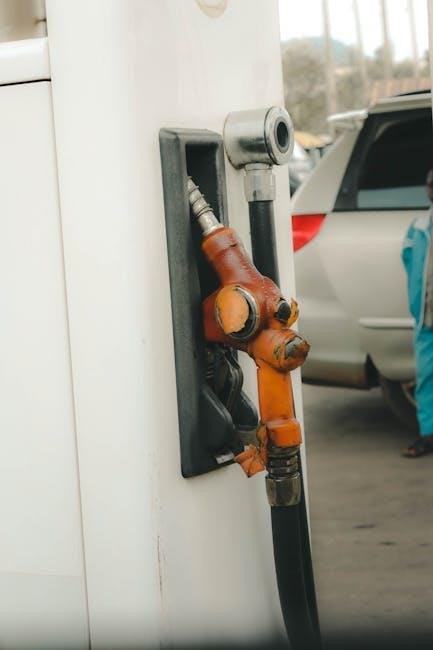
Manual fuel pumps consist of a fuel pump body‚ a diaphragm‚ piston‚ or lever arm‚ and inlet/outlet valves‚ working together to facilitate fuel transfer;
Fuel Pump Body
The fuel pump body serves as the foundational housing for all internal components‚ providing structural integrity and containing the pumping mechanism․ Typically constructed from durable metals like cast iron or aluminum‚ it withstands fuel pressure and environmental factors․
Its design incorporates ports for fuel inlet and outlet connections‚ ensuring a sealed system․ The body’s internal chambers are precisely machined to accommodate the diaphragm‚ piston‚ or lever arm‚ facilitating smooth and efficient fuel transfer․
Furthermore‚ the body often includes mounting features for secure attachment to the engine or vehicle chassis‚ contributing to stable operation․
Diaphragm/Piston/Lever Arm
These are the core elements driving fuel pump operation․ Diaphragms flex to create suction and pressure‚ while pistons reciprocate within cylinders for direct fuel displacement․ Lever arms‚ mechanically linked to the engine‚ translate rotational motion into pumping action․
The choice depends on the pump’s design; diaphragms are common in low-pressure systems‚ pistons offer higher output‚ and lever arms provide a simple‚ robust solution․
Each component requires precise manufacturing and material selection to ensure durability and maintain consistent fuel delivery‚ vital for engine performance and reliability․
Inlet and Outlet Valves
Inlet and outlet valves are critical for directional fuel flow within a manual fuel pump․ The inlet valve permits fuel entry from the tank during the suction stroke‚ preventing backflow․ Conversely‚ the outlet valve allows fuel passage towards the engine during the pumping phase‚ maintaining pressure․
These valves‚ often simple check valves‚ ensure unidirectional movement‚ maximizing pump efficiency․ Their proper sealing is paramount to prevent fuel leakage and maintain consistent delivery․ Regular inspection is vital for optimal performance․
Valve functionality directly impacts the engine’s fuel supply and overall operation․
Installation and Maintenance
Proper installation and consistent maintenance—including regular inspection and cleaning—are crucial for reliable manual fuel pump performance and longevity․
Proper Installation Procedures
Installing a manual fuel pump requires careful attention to detail for optimal function and safety․ Begin by disconnecting the existing fuel line‚ ensuring a fire extinguisher is readily available․ Securely mount the new pump‚ aligning the inlet and outlet ports correctly․
Connect the fuel lines‚ verifying a tight seal to prevent leaks․ Double-check all connections before introducing fuel to the system․ Always refer to the manufacturer’s instructions for specific torque specifications and mounting guidelines․ Proper priming may be necessary before initial engine start-up‚ following the pump’s documentation․
Regular Inspection and Cleaning
Routine maintenance is crucial for a manual fuel pump’s longevity․ Regularly inspect fuel lines for cracks‚ kinks‚ or leaks‚ replacing them as needed․ Check the pump body for any signs of corrosion or damage․ Periodically clean the fuel filter to ensure unrestricted fuel flow‚ preventing strain on the pump․
Examine the diaphragm or piston for wear and tear․ Address any issues promptly to avoid engine performance problems․ A clean pump operates more efficiently and reliably‚ extending its service life and maintaining optimal fuel delivery․
Troubleshooting Common Issues
Difficulty starting often indicates a fuel delivery problem; check for obstructions in the fuel line or a failing pump․ Reduced engine power can stem from insufficient fuel pressure‚ requiring inspection of the pump’s internal components․ Listen for unusual noises during operation‚ potentially signaling a worn diaphragm or piston․
If the pump isn’t drawing fuel‚ verify proper valve seating․ A complete failure necessitates pump replacement․ Always prioritize safety when diagnosing‚ disconnecting the fuel line and having a fire extinguisher nearby․

Safety Precautions
Always have a fire extinguisher handy when working with fuel lines‚ as gasoline is highly flammable; wear appropriate protective equipment during all procedures․
Working with Fuel Lines
When disconnecting fuel lines at the carburetor or injectors‚ extreme caution is paramount due to the flammable nature of gasoline․ Ensure the engine is cool before commencing any work on the fuel system․ Always have a fully charged fire extinguisher readily accessible in case of accidental spillage or ignition․
Properly relieve fuel pressure before disconnecting any lines to prevent spraying fuel․ Use appropriate fuel line disconnect tools to avoid damaging the lines or fittings․ Inspect fuel lines for cracks‚ wear‚ or deterioration and replace them if necessary․ Never reuse damaged fuel lines․
Fire Safety Measures
Given the highly flammable nature of gasoline‚ robust fire safety measures are crucial when working with manual fuel pumps and associated fuel lines․ Always maintain a fully charged and readily accessible fire extinguisher‚ specifically rated for gasoline fires‚ in the immediate work area․ Eliminate all sources of ignition‚ including open flames‚ sparks‚ and static electricity;
Ensure adequate ventilation to prevent the accumulation of fuel vapors․ Never smoke or work near electrical components that could generate sparks․ Have absorbent materials‚ like sand or specialized fuel spill kits‚ available to contain any accidental spills immediately․
Personal Protective Equipment
When servicing manual fuel pumps‚ prioritizing personal safety is paramount․ Always wear appropriate safety glasses or goggles to protect your eyes from potential fuel splashes or debris․ Chemical-resistant gloves‚ such as nitrile‚ are essential to prevent skin contact with gasoline‚ which can cause irritation or dermatitis․
Old clothing that covers the skin is recommended‚ or a fuel-resistant apron‚ to shield against spills․ Ensure adequate ventilation or wear a respirator if working in a confined space․ Proper footwear‚ avoiding static-generating materials‚ is also crucial for safe operation․

Applications of Manual Fuel Pumps
Manual fuel pumps find use in classic cars‚ small engines like lawnmowers‚ and for emergency fuel transfer situations‚ offering reliable operation․
Classic Cars and Vintage Engines
Manual fuel pumps are crucial for maintaining the authenticity and functionality of classic automobiles and vintage engines․ These older vehicles were originally designed to operate with mechanical fuel delivery systems‚ and replacing them with electric pumps can compromise their original character․
The consistent‚ reliable operation of a manual pump ensures proper fuel supply to the carburetor‚ vital for correct engine performance․ Restorations often prioritize retaining these original components‚ demanding careful sourcing and rebuilding of manual fuel pumps to preserve the vehicle’s historical integrity and driving experience․
Small Engines (Lawnmowers‚ Chainsaws)
Manual fuel pumps play a vital role in the operation of small engines found in equipment like lawnmowers and chainsaws․ These engines often rely on simple‚ robust fuel delivery systems‚ making manual pumps a practical and cost-effective solution․ They ensure a consistent fuel supply‚ particularly in situations where gravity feed is insufficient or unreliable․
The pumps assist in priming the engine‚ drawing fuel from the tank to the carburetor‚ especially after periods of inactivity or when the fuel tank is positioned below the engine․ This ensures easy starting and smooth operation of the power tool․
Emergency Fuel Transfer
Manual fuel pumps offer a crucial solution for emergency fuel transfer situations where electricity isn’t available or reliable․ Their self-contained‚ hand-operated design allows for the transfer of gasoline‚ diesel‚ or other fuels between containers without needing external power sources․ This capability is invaluable during roadside emergencies‚ off-grid scenarios‚ or when dealing with fuel storage challenges․
These pumps provide a safe and controlled method for moving fuel‚ minimizing spills and ensuring efficient transfer․ They are often included in emergency kits for vehicles‚ boats‚ and remote locations‚ offering peace of mind and operational independence․
Advantages and Disadvantages
Manual fuel pumps provide reliable operation without electricity‚ but require physical effort and deliver lower flow rates compared to electric alternatives․
Benefits of Manual Fuel Pumps
Manual fuel pumps offer several distinct advantages‚ particularly in specific applications․ Their primary benefit lies in their independence from electrical systems; this makes them ideal for classic cars‚ vintage engines‚ or situations where electricity is unavailable․
They are also known for their simplicity and reliability‚ requiring fewer components than electric pumps‚ which can translate to easier maintenance and fewer potential failure points․ Furthermore‚ manual pumps can be a cost-effective solution‚ especially for smaller engines or as a backup system․
The straightforward design allows for relatively easy repair and understanding of the pumping mechanism‚ appealing to those who prefer hands-on maintenance․
Limitations of Manual Fuel Pumps
Despite their advantages‚ manual fuel pumps possess inherent limitations․ A key drawback is their reliance on engine operation; fuel delivery ceases when the engine stops‚ potentially causing issues with restarting․ They generally provide lower fuel pressure and flow rates compared to electric pumps‚ which may not be sufficient for modern‚ high-performance engines․
Manual pumps also require physical effort or engine-driven mechanisms for operation‚ adding complexity to the overall system․ Their output can be inconsistent‚ particularly at lower engine speeds‚ impacting engine performance․
Finally‚ they may be less efficient in drawing fuel from tanks located far from the engine․

Future Trends in Fuel Pump Technology
Integration with electric fuel pumps and improvements focusing on enhancing the efficiency of manual pump designs represent key areas of ongoing development․
Electric Fuel Pump Integration
A growing trend involves supplementing manual fuel pumps with electric fuel pump systems‚ offering a hybrid approach to fuel delivery․ This integration aims to provide a reliable backup‚ particularly during initial engine starts or when dealing with challenging fuel supply conditions․ Electric assistance can overcome limitations of purely mechanical systems‚ ensuring consistent fuel pressure and volume․
Furthermore‚ combining both technologies allows for optimized performance‚ leveraging the simplicity of a manual pump for routine operation while utilizing the electric pump for demanding situations․ This synergistic approach enhances overall engine reliability and efficiency‚ catering to both classic and modern engine designs․
Improvements in Manual Pump Efficiency
Ongoing research focuses on enhancing the efficiency of manual fuel pumps through refined designs and material science․ Modern iterations prioritize minimizing internal friction within the pumping mechanism‚ leading to reduced effort required for operation and improved fuel delivery rates․ Advancements in diaphragm and piston materials contribute to increased durability and resistance to fuel degradation․
Furthermore‚ optimized valve designs are crucial‚ ensuring minimal backflow and maximizing the amount of fuel transferred with each stroke․ These incremental improvements collectively enhance the overall performance and longevity of manual fuel pumps‚ making them a viable option even in contemporary applications․