tie dye washing instructions pdf
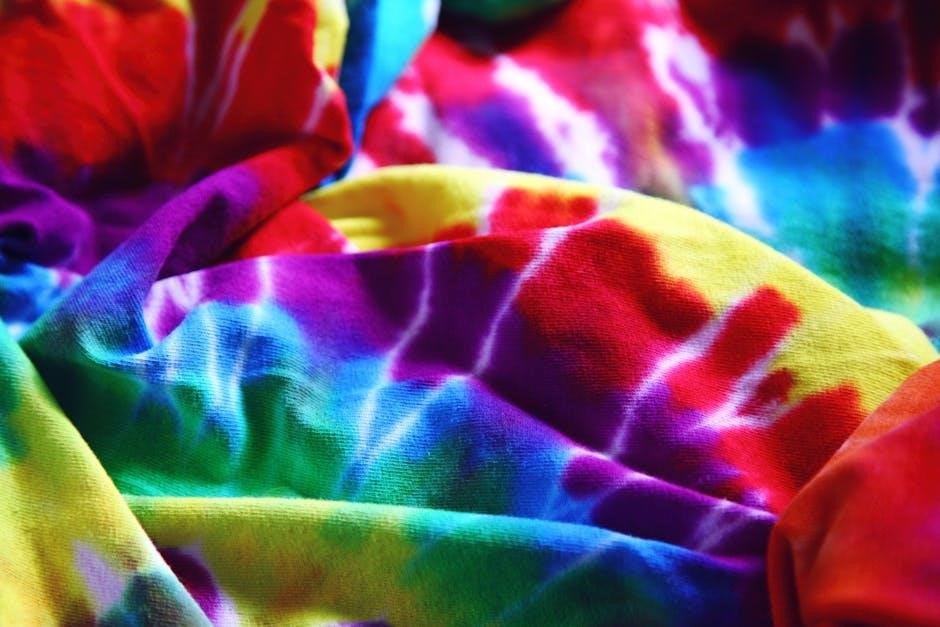
Understanding Tie-Dye and Color Bleeding
Tie-dye’s vibrant allure often clashes with laundry day anxieties; mastering wash care preserves those colorful creations, preventing unwanted dye transfer and fading.
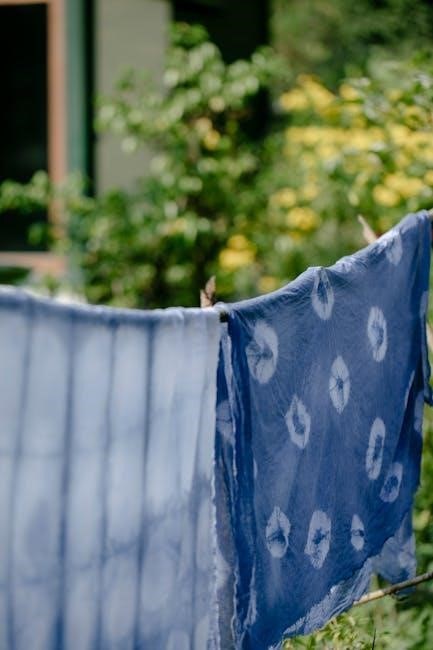
Summer’s quintessential craft transforms plain garments, but maintaining brilliance requires understanding dye behavior and implementing proper washing techniques for lasting vibrancy.
The joy of tie-dye shouldn’t be overshadowed by washing machine worries; proactive steps ensure your rainbow wardrobe remains a colorful, cherished collection for years.
What Causes Colors to Bleed in Tie-Dye?
Color bleeding in tie-dye stems from several interconnected factors, primarily relating to the dye’s chemical bond with the fabric. Initially, not all dye molecules fully attach during the dyeing process, leaving excess unbound dye present on the fibers. This unbound dye is readily released into the wash water.
The type of dye used significantly impacts bleeding; reactive dyes form a stronger chemical bond, minimizing release, while all-purpose dyes have a weaker bond and bleed more easily. Water temperature plays a crucial role, as hotter water accelerates dye molecule movement and release.
Agitation during washing also contributes, physically dislodging unbound dye. Furthermore, the fabric itself influences bleeding; natural fibers like cotton tend to bleed more than synthetics. Understanding these factors is key to preventing color loss and maintaining vibrant tie-dye creations through careful washing practices.
The Role of Dye Type (Reactive vs. All-Purpose)
The choice between reactive and all-purpose dyes profoundly impacts tie-dye wash fastness. Reactive dyes, designed for cellulose fibers like cotton, form a covalent bond with the fabric, creating a permanent color attachment. This robust bond significantly minimizes dye release during washing, resulting in superior color retention and reduced bleeding.
All-purpose dyes, conversely, rely on weaker hydrogen bonds, making them less resistant to water and agitation. Consequently, they exhibit a higher propensity for bleeding, especially in warmer water temperatures. While convenient for various fabrics, they necessitate more cautious washing procedures.
When selecting dyes, consider the fabric and desired longevity. Reactive dyes are ideal for vibrant, lasting tie-dye, while all-purpose dyes suit projects where colorfastness is less critical. Understanding this distinction is vital for informed tie-dye creation and effective washing strategies.
Preparing Your Tie-Dye for the First Wash
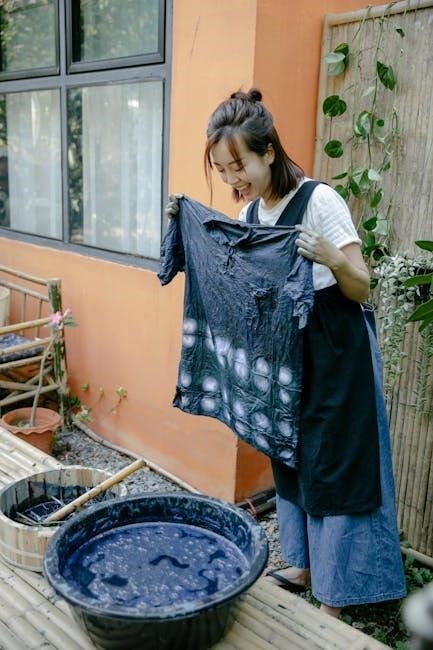
Before the initial wash, carefully remove excess dye; this crucial step minimizes bleeding and preserves the vibrancy of your newly created tie-dye masterpiece.
Initial Soak: Removing Excess Dye
The very first step in safeguarding your tie-dye investment is a thorough initial soak. This process isn’t a wash, but a gentle rinsing designed to liberate unbound dye molecules before they have a chance to settle and potentially bleed during subsequent washes.
Fill a clean sink or tub with cool water; avoid warm or hot water, as heat encourages dye setting. Submerge your tie-dye item completely, gently agitating it to help release the excess dye. You’ll notice the water becoming increasingly colored – this is perfectly normal and demonstrates the soak’s effectiveness.
Continue soaking and rinsing until the water runs relatively clear. This may require several changes of water, and patience is key! Don’t wring or aggressively scrub the fabric, as this can distort the design. A gentle swishing motion is sufficient. This initial soak is a critical preventative measure, significantly reducing the risk of color transfer in future washes.
Hand Washing vs. Machine Washing – Initial Wash
For the very first wash of your tie-dye creation, you have a choice: hand washing or machine washing, each with its own advantages. Hand washing offers the gentlest approach, minimizing potential color bleed and preserving the vibrancy of your design. Fill a basin with cool water and a mild, color-safe detergent, gently agitating the garment.
If opting for machine washing, use a delicate cycle with cold water. Place the tie-dye item inside a mesh laundry bag for added protection. Avoid washing it with other clothes, especially light-colored items, during this initial wash.
Regardless of your chosen method, avoid harsh detergents, bleach, or fabric softeners. These can strip the dye and damage the fabric. A gentle approach during the first wash sets the stage for long-term color retention and prevents unwanted surprises.
Machine Washing Tie-Dye: A Step-by-Step Guide
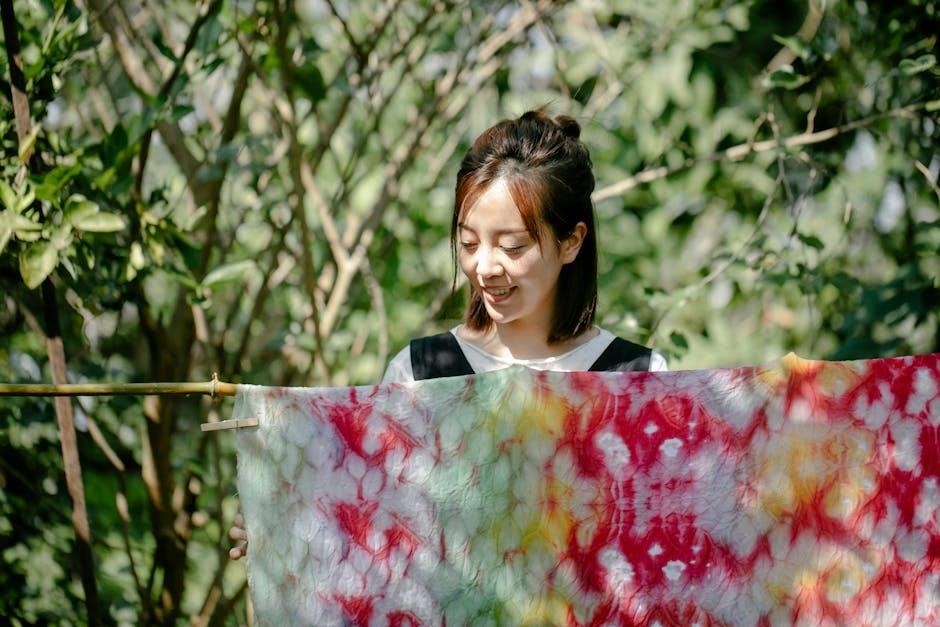
Successfully washing tie-dye in a machine requires careful attention to detail; following these steps ensures vibrant colors remain intact, preventing unwanted fading or bleeding;
Water Temperature: Cold Water is Key
When machine washing your tie-dye creations, water temperature is paramount; always opt for cold water – this is non-negotiable for preserving the vibrancy of your colorful designs. Hot water aggressively opens fabric fibers, releasing dye molecules and causing significant color bleeding and fading.
Cold water minimizes this effect, gently cleaning the fabric while keeping the dye locked within the fibers. Think of it as a protective barrier for your artwork! Even lukewarm water can contribute to color loss, so err on the side of caution and choose the coldest setting available on your washing machine.
This simple step dramatically extends the life of your tie-dye, ensuring those brilliant hues remain vibrant wash after wash. Ignoring this advice risks a muted, washed-out appearance, diminishing the impact of your creative efforts.
Detergent Choice: Mild, Color-Safe Detergents
Selecting the right detergent is crucial for maintaining tie-dye’s brilliance; harsh chemicals found in many standard detergents can strip dye from fabrics, leading to fading and color bleeding; Therefore, prioritize mild, color-safe detergents specifically formulated to protect vibrant colors.
Avoid detergents containing bleach, brighteners, or enzymes, as these are particularly damaging to tie-dye. Look for detergents labeled “for colors” or “gentle cycle,” which are designed to be less aggressive on fabrics. These options clean effectively without compromising dye integrity.
Using a gentle detergent is an investment in the longevity of your tie-dye, ensuring your creations remain visually striking for years to come; A small change in detergent can make a significant difference in preserving the artwork!
Washing with Similar Colors
To minimize the risk of color transfer, always wash your tie-dye items with garments of similar colors; this is a fundamental precaution against unwanted dye bleeding. Avoid washing brightly colored tie-dye with whites or light-colored fabrics, even after several washes.
Grouping tie-dye with other dark or vibrant items creates a safer washing environment, reducing the chance of lighter clothes becoming stained. Consider dedicating a separate load specifically for tie-dye and similarly colored clothing.
This practice is especially important during the initial washes, when the most dye is likely to release. Careful color segregation safeguards your entire wardrobe, preserving the integrity of both your tie-dye and other clothes!
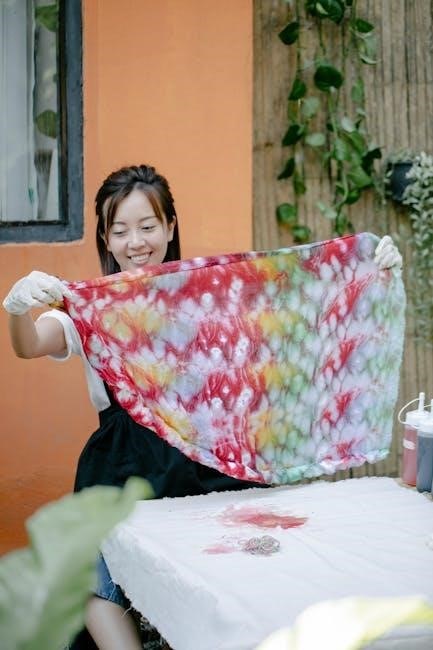
Drying Tie-Dye Properly
Gentle drying methods are crucial for preserving tie-dye’s vibrancy; improper heat can set stains and accelerate fading, diminishing the artwork’s brilliance over time.
Air Drying vs. Machine Drying
Air drying is overwhelmingly recommended for tie-dye, offering the gentlest approach to preserve colors and prevent shrinkage. Laying the garment flat on a clean, dry towel, or hanging it on a plastic hanger away from direct sunlight, allows excess water to evaporate slowly.
Machine drying, while convenient, poses risks. High heat can cause dyes to set unevenly, leading to fading and potential color bleeding. If machine drying is unavoidable, utilize the lowest heat setting – ideally an “air fluff” or “delicate” cycle – and remove the item promptly once dry.
Consider adding clean, dry towels to the dryer to help absorb moisture and further reduce heat exposure. Frequent checks during machine drying are essential to prevent over-drying and maintain the tie-dye’s vibrant appearance. Prioritizing air drying consistently yields the best results.
Avoiding Direct Sunlight During Drying
Direct sunlight is a notorious enemy of vibrant tie-dye, accelerating fading and causing colors to become dull and washed out. The sun’s UV rays break down dye molecules, diminishing the intensity of your carefully crafted designs.
Whether air drying indoors or outdoors, ensure the garment is shielded from direct sunlight. Inside, choose a well-ventilated room away from windows. Outside, hang items in a shaded area, such as under a covered patio or tree.
Even brief exposure can impact colorfastness, so prioritize finding a consistently shaded drying location. This simple precaution significantly extends the life and brilliance of your tie-dye creations, preserving their unique aesthetic for longer enjoyment.

Long-Term Care for Vibrant Tie-Dye
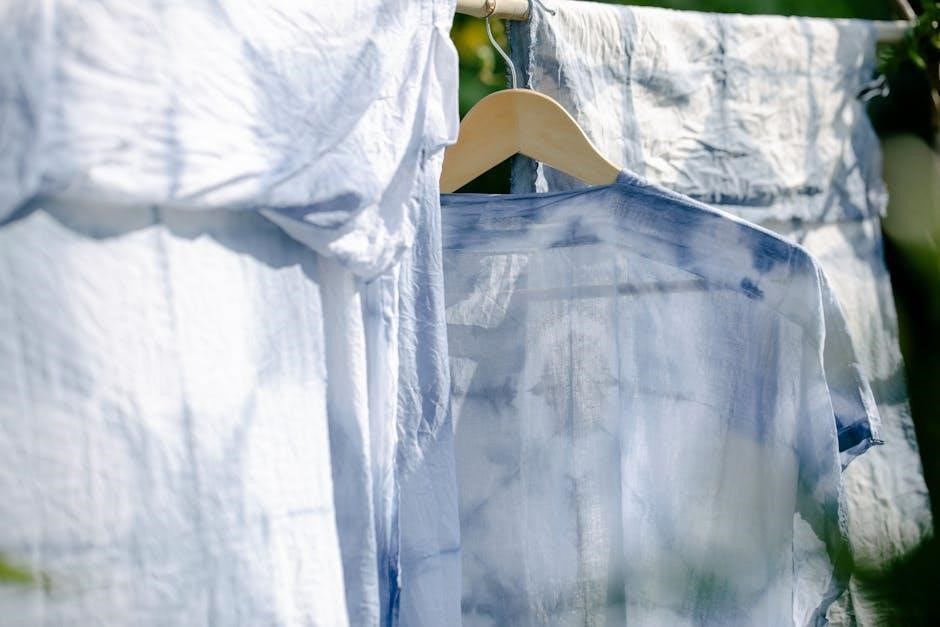
Consistent, gentle care is crucial for preserving tie-dye’s brilliance; minimizing washes and utilizing color catchers will safeguard against fading and color bleeding.
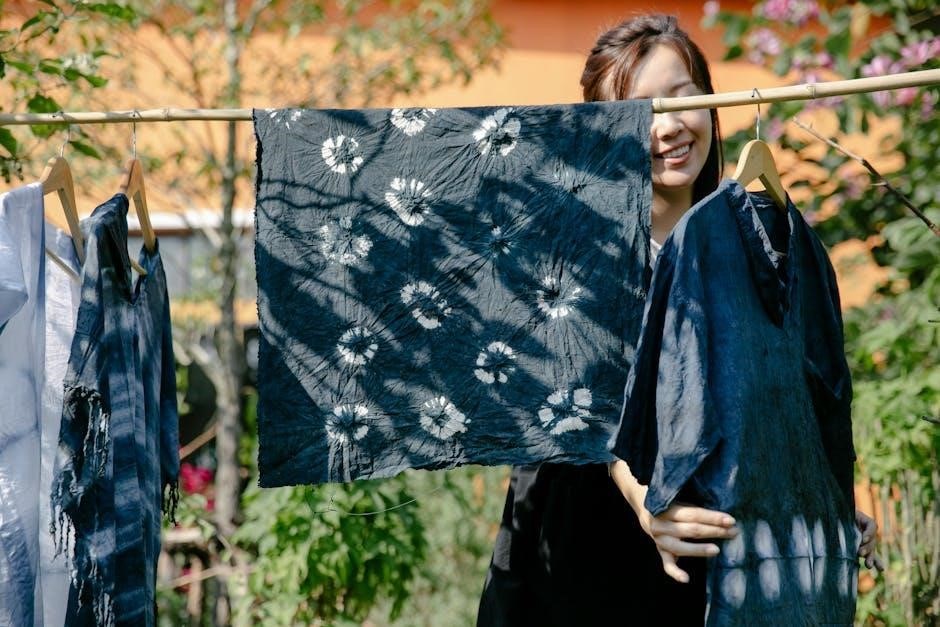
Washing Frequency: Minimizing Washes
To truly preserve the vibrancy of your tie-dye creations, adopt a “wash less often” philosophy. Each wash cycle, even with careful techniques, introduces a degree of color loss and potential bleeding.
Consider spot cleaning for minor dirt or stains instead of immediately resorting to a full wash. This targeted approach minimizes overall dye exposure and extends the life of the colors.
When washing is unavoidable, assess if the item truly needs it. Airing out garments between wears can often refresh them, reducing the frequency of laundering.
Think about wearing an undershirt with your tie-dye to absorb sweat and reduce the need for frequent washing. This simple step can significantly prolong the life of your colorful designs, keeping them bright and bold for longer.
Remember, less washing equals more vibrant tie-dye!
Using Color Catchers in the Wash
Even with diligent sorting and cold-water washing, some dye release is inevitable, especially during the initial washes. Color catcher sheets are invaluable in mitigating this issue, acting as a safety net to trap loose dyes before they can redistribute onto other fabrics.
These sheets contain a dye-absorbing technology that effectively pulls free-floating color from the water, preventing unwanted color transfer. Add 1-2 sheets per load, depending on the intensity of the tie-dye and the volume of items.
Color catchers are particularly crucial when washing new or brightly colored tie-dye items for the first few times. They provide peace of mind, safeguarding your other clothes from accidental staining.
Don’t rely on them entirely; they’re a preventative measure, not a substitute for proper washing techniques. Regularly check the sheets after washing to see how much dye they’ve captured, indicating the level of dye release.
Re-washing Instructions for Continued Brightness
Maintaining vibrant tie-dye isn’t a one-time effort; consistent care is key to preserving those brilliant hues. Continue using mild, color-safe detergents in all subsequent washes, avoiding harsh chemicals or bleach that can strip the color.
Cold water remains your best ally, minimizing dye loss with each wash cycle. Consider adding a color catcher sheet to every load, even after the initial washes, as some dye release may still occur over time.
Turn garments inside out before washing to protect the dyed surface from abrasion. Avoid overloading the washing machine to ensure thorough rinsing and prevent dye redeposition.
Periodic boosts with color-reviving laundry additives can also help maintain brightness. Remember, gentle handling and consistent care will ensure your tie-dye creations remain vibrant for years to come.
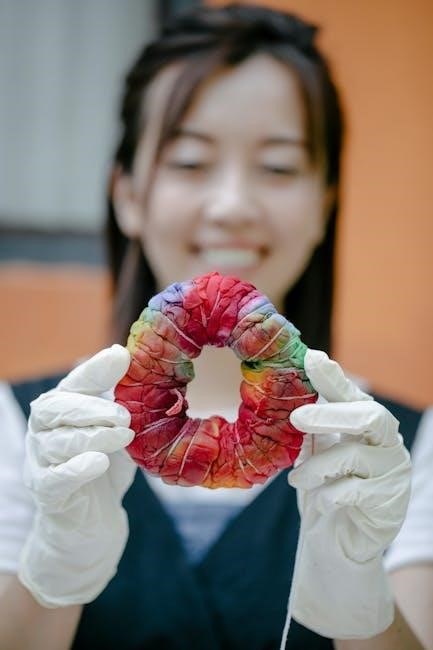
Troubleshooting Common Issues
Despite best efforts, fading or minor bleeding can occur; quick action and adjustments to your washing routine can often restore vibrancy and prevent further issues.
Dealing with Faded Colors
If your tie-dye appears less vibrant after washing, don’t despair! Several factors contribute to fading, and often, simple adjustments can revive the colors. First, reassess your detergent – harsh chemicals accelerate fading, so switch to a mild, color-safe option specifically designed for delicate fabrics.
Consider a dye refresher; specialized products are available to re-deposit color into faded tie-dye. Follow the product instructions carefully, and always test in an inconspicuous area first. Another preventative measure is minimizing wash frequency – only wash when necessary to preserve dye saturation.
Finally, ensure proper drying techniques; avoid prolonged exposure to direct sunlight, as UV rays significantly contribute to color loss. Air drying indoors or using a low-heat dryer setting are gentler alternatives, helping maintain the brilliance of your tie-dye creations for longer.
Addressing Minor Color Bleeding After Washing
Even with careful washing, some minor color bleeding is occasionally unavoidable, especially with initial washes. If you notice slight discoloration in the water, don’t panic! Immediately rewash the tie-dye item alone, adding a color catcher sheet to the wash cycle. These sheets absorb loose dyes, preventing them from re-depositing onto the fabric.
For particularly stubborn bleeding, consider a cold water soak with a small amount of white vinegar – vinegar helps set the remaining dye. Avoid using hot water or harsh detergents, as these exacerbate the problem. Remember, proactive prevention, like initial soaks, minimizes bleeding risks.
Consistent use of color catchers in subsequent washes will further safeguard against future color transfer, ensuring your tie-dye remains vibrant and doesn’t affect other garments in your laundry load.
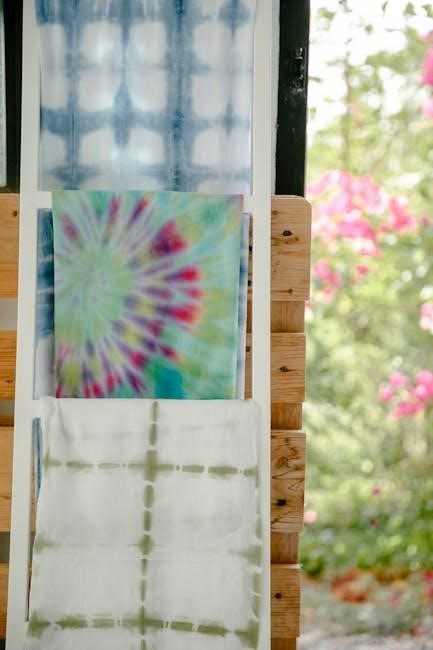
Creating a “Tie-Dye Washing Instructions PDF”
A comprehensive PDF ensures consistent care; include detailed washing, drying, and troubleshooting guidance for vibrant, long-lasting tie-dye creations, protecting your colorful investments.
Essential Information to Include in the PDF
Your PDF should begin with a concise introduction explaining the importance of following specific washing instructions to maintain tie-dye vibrancy and prevent color bleeding. Clearly outline pre-wash procedures, such as the initial soak to remove excess dye, emphasizing its crucial role in minimizing color transfer during the first few washes.
Detail the machine washing process step-by-step, stressing the necessity of cold water and mild, color-safe detergents. Include a section on sorting laundry, advising users to wash tie-dye items with similar colors only. Provide guidance on drying methods, advocating for air drying or machine drying on a low setting, while explicitly warning against direct sunlight exposure.
A troubleshooting section is vital, addressing common issues like faded colors and minor bleeding after washing, offering practical solutions. Finally, reiterate the importance of minimizing wash frequency and suggest using color catcher sheets to further protect the dyes. Consider adding a visual guide with images illustrating proper techniques for enhanced clarity.
PDF Format and Accessibility Considerations
Opt for a universally compatible PDF format (PDF/A) to ensure long-term accessibility and prevent rendering issues across different devices and operating systems. Employ clear, concise language avoiding technical jargon, making the instructions understandable for all users. Utilize headings and subheadings to structure the content logically, improving readability and navigation.
Incorporate alt text for all images to provide descriptions for visually impaired users relying on screen readers. Ensure sufficient color contrast between text and background for optimal visibility. Consider offering a text-only version of the PDF for users with limited bandwidth or those who prefer a streamlined experience.
Test the PDF’s accessibility using accessibility checkers to identify and rectify any potential barriers. Maintain a reasonable file size for easy downloading and sharing. Include metadata such as title, author, and keywords for improved searchability.