jordan travel guide
Overview of Jordan
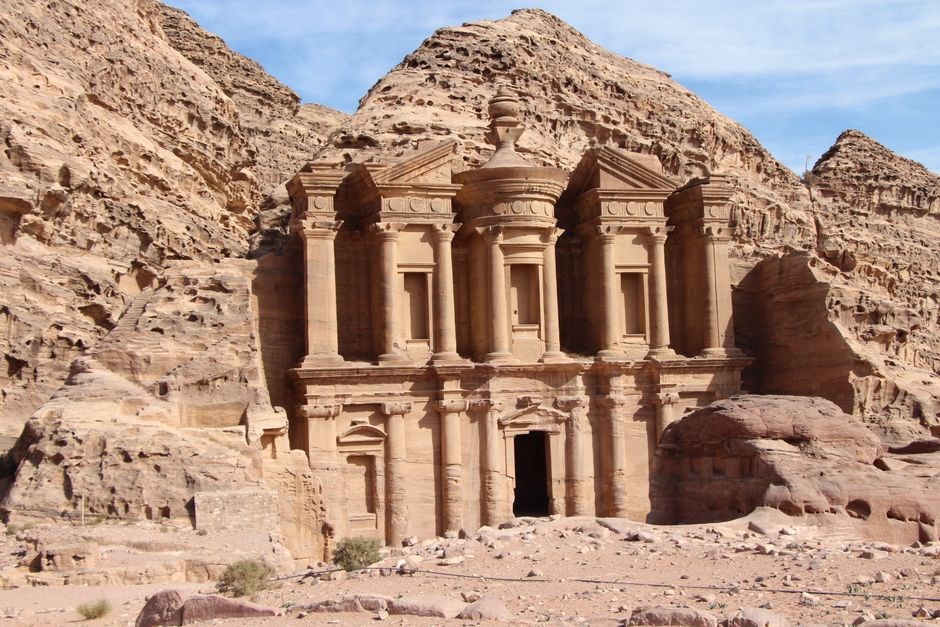
Jordan, a crossroads of ancient civilizations, offers travelers a blend of desert grandeur, historic ruins, and welcoming hospitality. From the iconic rose‑colored Petra to the serene Dead Sea, each destination invites exploration beyond typical guidebook paths. Warm locals and souks add lively charm
Geography and Landmarks
Jordan’s landscape is a dramatic tapestry that stretches from the fertile Jordan Valley in the north to the arid, star‑studded desert of Wadi Rum in the south. The country’s highest point, Jabal Umm ad Dami, rises 1,854 m above sea level, while the lowest, the Dead Sea shoreline, sits 430 m below sea level, making it the world’s lowest natural point. The Red Sea’s Gulf of Aqaba lies on the eastern edge, offering coral reefs and marine life that contrast sharply with the dry interior.
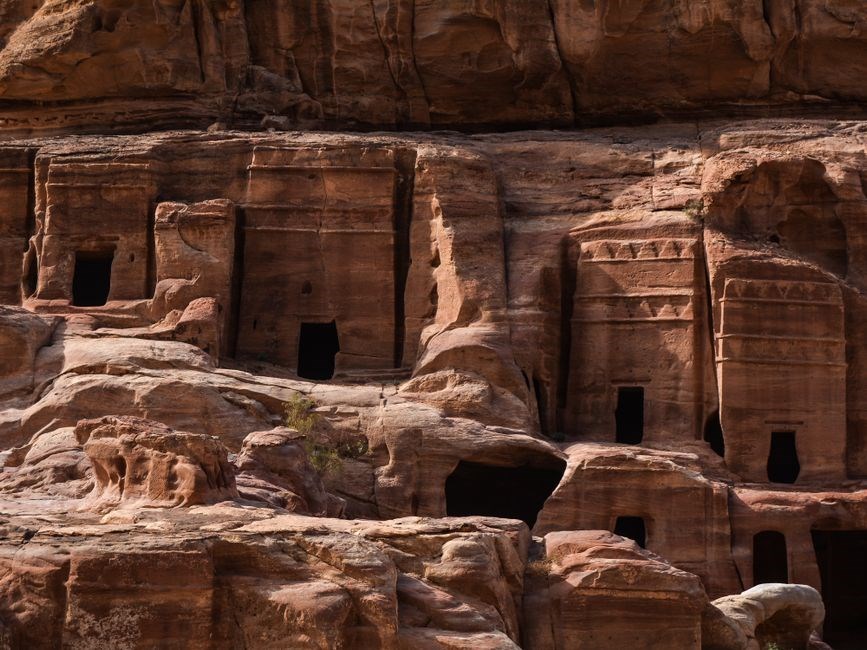
Key landmarks weave this geography into a living museum. Petra, the rose‑colored Nabatean city carved into sandstone cliffs, is a UNESCO World Heritage Site and a symbol of Jordan’s ancient engineering prowess. The Roman‑era city of Jerash, with its colonnaded streets and well‑preserved amphitheatre, showcases the country’s Greco‑Roman heritage. Aqaba’s coral reefs provide snorkeling opportunities, while the desert plateau of Wadi Rum offers dramatic sandstone formations and Bedouin hospitality.
Natural wonders such as the Dana Biosphere Reserve, a protected area of limestone cliffs, pine forests, and diverse wildlife, illustrate Jordan’s ecological diversity. The desert oasis of Madaba, known for its mosaic maps, and the historic fortress of Karak, perched on a hilltop, further enrich the travel experience.
Jordan’s diverse landscapes offer travelers endless adventures, from ancient ruins to modern cities, ensuring every itinerary is uniquely memorable. Explore trails, taste local.
Historical Significance
Jordan’s history stretches back to the Bronze Age, when the ancient city of Jerash (ancient Gerasa) flourished under Hellenistic influence. The Nabateans, famed for their mastery of water engineering, carved a rose‑tinted canyon into stone, creating a city that once rivaled Rome in grandeur. The Roman Empire’s expansion left a legacy of amphitheatres, temples, and aqueducts, visible in sites such as Jerash, Umm Qais, and the Roman city of Madaba. The early centuries AD, the region became a crossroads for Christianity, with the Crusader fortress of Karak standing as a testament to medieval military architecture. The 7th century brought Islam, and the Umayyad Caliphate established the city of Amman as a strategic outpost. During the Ottoman period, Jordan’s towns grew around caravan routes, and the 19th‑century construction of the Hejaz Railway linked the country to Mecca. The 1921 establishment of the Emirate of Transjordan under British mandate laid the groundwork for modern statehood, culminating in independence in 1946. Today, Jordan preserves its heritage through museums, restored ruins, and cultural festivals, offering travelers a living narrative of civilizations that have shaped the Middle East. Visitors often marvel at the seamless blend of antiquity and modernity, where bustling souks coexist with contemporary cafés, and where the ancient stones echo with the laughter of hikers, while the quiet dunes invite contemplative stargazing under a sky unpolluted by city lights. and a quiet night stars!!!
Travel Preparation
Before visiting Jordan, secure a visa via the e‑visa portal or at an embassy. Pack light, breathable clothing for desert heat, and a light jacket for cooler evenings. Exchange currency at banks; credit cards work in major cities. Stay hydrated and respect local customs. Stay safe
Visa and Entry
Jordan’s visa system is designed for convenience. Most travelers can apply for an e‑visa through the Ministry of Foreign Affairs portal, submitting a passport copy, a recent photo, and travel details. Processing takes 3–5 business days, after which the approval is emailed. If you prefer a faster option, many nationalities may obtain a visa on arrival at Amman King Hussein International Airport, Aqaba Port of Entry, or any Jordanian border crossing. The fee is around 20–25 USD, payable in US dollars or Jordanian dinars. You must bring a passport valid for at least six months beyond your stay, proof of sufficient funds, a return or onward ticket, and accommodation confirmation. Travelers should also verify any updated entry requirements, especially if coming from countries with recent travel advisories, as Jordan may impose additional health or security checks. Certain passport holders are exempt from visas; a list of exempt countries is available on the Ministry’s website. For long‑term stays, work, study, or investment, separate permits are required, involving the Ministries of Interior and Labor. Keep a digital copy of your visa approval and related documents on your phone to speed up border clearance. Always keep your passport and visa documents in a secure, waterproof pouch, and carry a small amount of local currency for small purchases. Finally, register with your embassy upon arrival for assistance in emergencies or travel disruptions. Keep a photocopy of your passport in a bag for safety.
Currency and Banking
Jordan’s official currency is the Jordanian dinar (JOD), pegged to the US dollar at a rate of 1 USD ≈ 0.709 JOD. The dinar is subdivided into 100 qirsh, though qirsh coins are rarely used in everyday transactions. Major cities such as Amman, Aqaba, and Irbid host a network of banks—Arab Bank, Jordan Ahli Bank, and Bank of Jordan—providing foreign‑exchange counters, ATMs, and online banking services. Travelers can withdraw cash in JOD from ATMs using Visa, MasterCard, or Maestro cards; fees typically range from 1–3 % of the withdrawal amount, plus a fixed surcharge of about 2 USD. Credit cards are widely accepted at hotels, restaurants, and shopping centers, but it is advisable to carry some cash for smaller vendors, street markets, and rural areas where card infrastructure is limited. Currency exchange bureaus in tourist hubs offer competitive rates, but always verify the rate before exchanging to avoid hidden fees. ATMs dispense cash in JOD and, in some cases, USD; however, the latter is less common and may incur higher fees. International travelers should notify their home banks of their Jordan itinerary to prevent card blocks and to enable seamless transactions. For those staying longer than 90 days, opening a local bank account is straightforward: provide a passport, residency permit, and a small deposit. Online banking portals allow account holders to transfer funds, pay utilities, and monitor balances, making it convenient to manage finances while abroad. It is prudent to keep an emergency reserve in a separate account or a small amount of USD in a travel card, as the dinar’s value can fluctuate slightly during periods of economic change. By combining local currency with widely accepted credit cards and a prepaid travel card, visitors can navigate Jordan’s financial landscape with confidence, ensuring smooth transactions in bustling markets, remote villages, and high‑end resorts alike. Travelers should also keep a small amount of US dollars in a travel card for emergencies!
Key Attractions
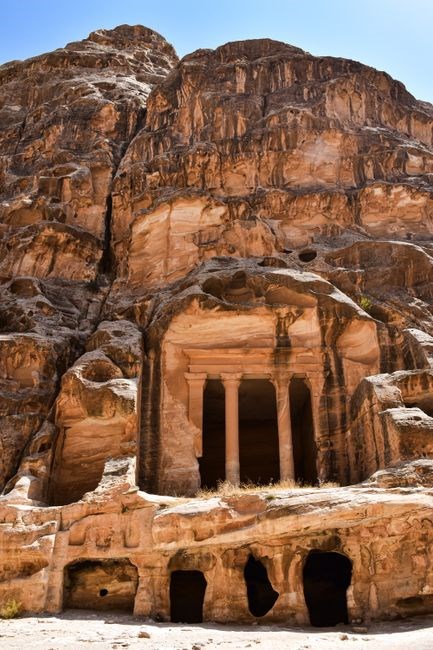
Jordan’s key attractions blend ancient wonder with natural beauty. Iconic Petra’s rose‑stone façades, the vast red dunes of Wadi Rum, the salty expanse of the Dead Sea, and the lush Ajloun Forest Reserve offer unforgettable experiences for every traveler.
Amman citadel.!!
Petra
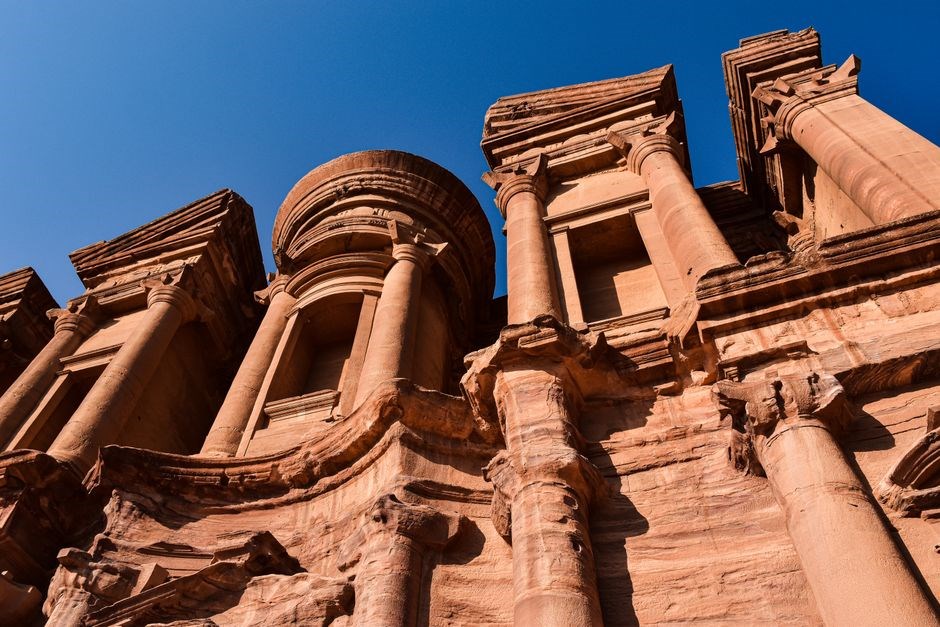
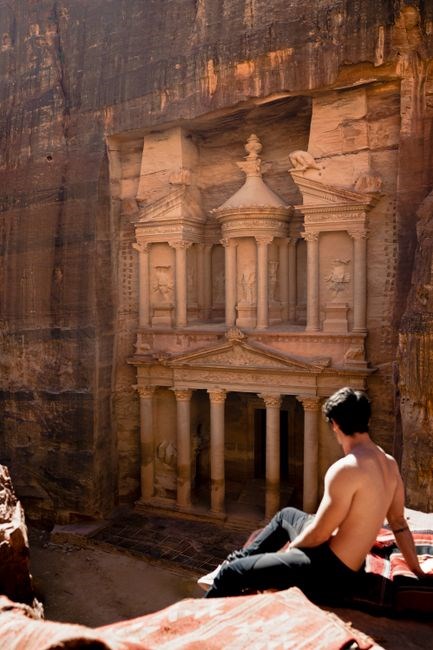
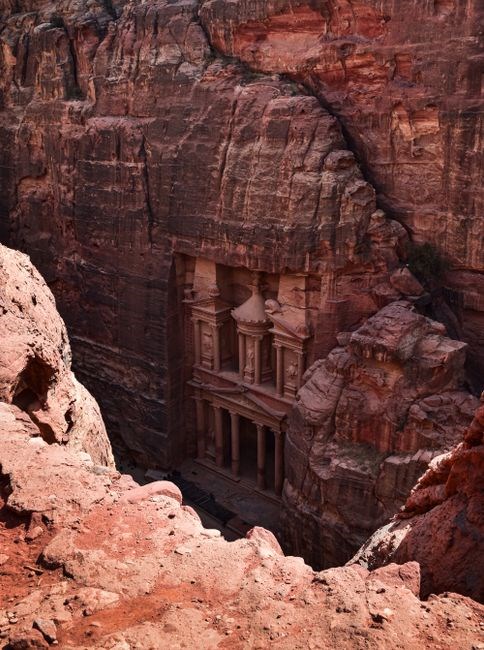
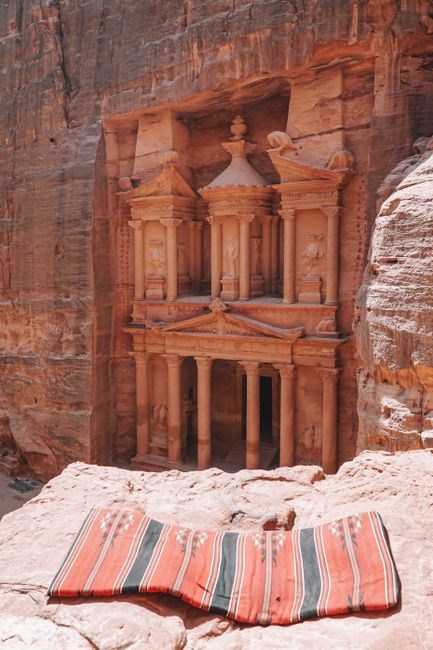
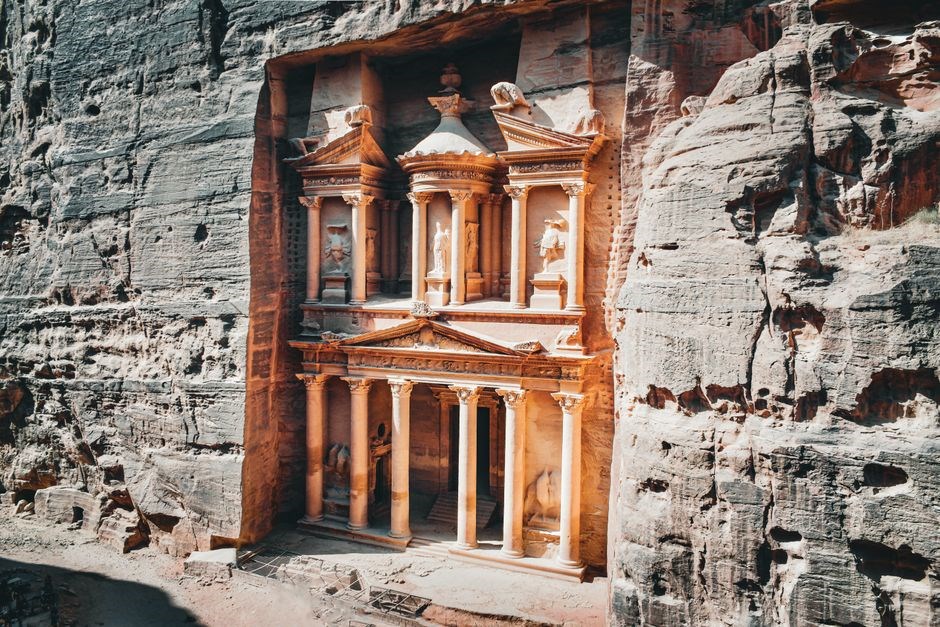
Petra, the ancient Nabatean city carved into rose‑tinted cliffs, remains a testament to ingenuity and resilience. Visitors trek the Siq, a narrow canyon that opens onto the Treasury’s grand façade, before exploring the Royal Tombs, the Monastery, and the Roman‑style theater. The site’s water‑management system, with channels and cisterns, showcases sophisticated engineering that sustained a thriving trade hub at the crossroads of the Silk Road. Modern visitors can wander the 800‑meter‑long Street of Facades, where stone façades of varying styles hint at the city’s cosmopolitan past. Nighttime visits illuminate the Treasury in amber light, creating a surreal atmosphere. Petra’s UNESCO World Heritage status and its inclusion in the New Seven Wonders of the World underscore its global significance. Travelers should arrive early to avoid crowds and consider guided tours for deeper insight into the Nabatean culture and the city’s architectural marvels. The surrounding Wadi Musa offers charming Bedouin‑style accommodations and local eateries serving Jordanian dishes, providing a complete cultural experience. In addition, the nearby Al Khazneh Museum houses artifacts that trace the city’s evolution from a caravan stop to a bustling metropolis. Seasonal festivals, such as the Petra Music Festival, celebrate the region’s heritage, drawing performers from across the Middle East. For those seeking adventure, hiking routes from Petra to the ancient city of Hisham’s Palace reveal hidden tombs and rock‑cut churches, while camel treks across the desert dunes offer a glimpse into Bedouin life. The combination of archaeological wonder, natural beauty, and warm hospitality makes Petra an unforgettable destination for every traveler. Explore more!!
Wadi Rum
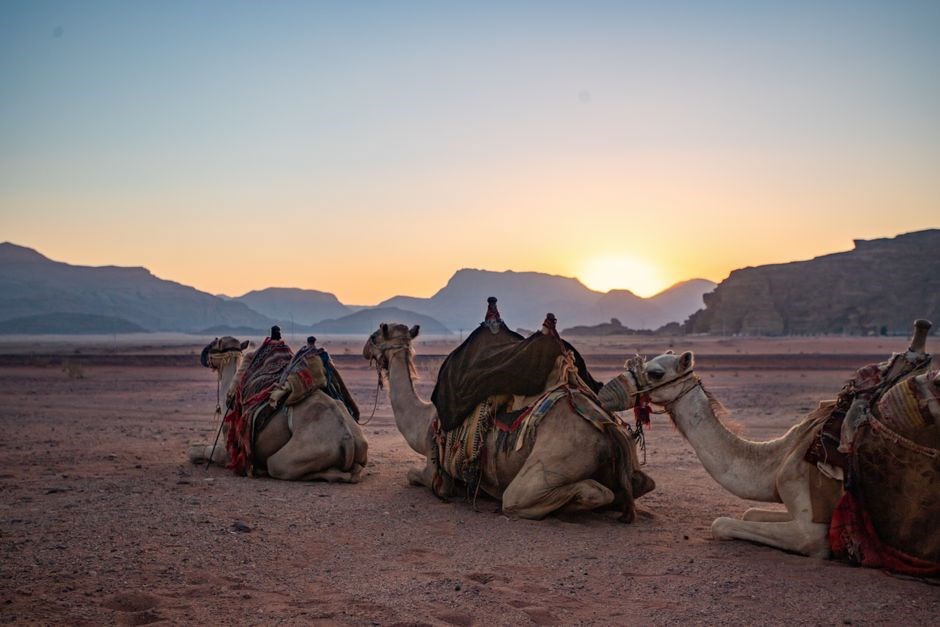
Wadi Rum, the “Valley of the Moon,” is a vast desert canyon that stretches across the southern border of Jordan. Its towering sandstone cliffs, eroded by wind and water, create a surreal landscape that has inspired filmmakers and travelers alike. The valley’s name, derived from the Arabic word for “valley,” reflects its dramatic, otherworldly appearance. Visitors can explore the canyon on foot, by jeep, or on camelback, taking in iconic sites such as Lawrence’s Spring, the Seven Pillars of Wisdom, and the ancient rock‑cut tombs that dot the terrain. The area is also home to several Bedouin communities that welcome guests into their tents, offering authentic meals and cultural performances. Nighttime stargazing in Wadi Rum is unparalleled, with minimal light pollution revealing a sky filled with constellations. The desert’s unique geology, combined with its cultural heritage, makes it a must‑visit destination for those seeking adventure, history, and a touch of the mystical. Plan your visit during the cooler months to enjoy comfortable temperatures, and extended daylight hours. Book a guided tour to learn about the valley’s history, from ancient trade routes to its role in World War I. The experience is unforgettable, leaving travelers with memories of the desert’s timeless beauty. Beyond its geological wonders, Wadi Rum preserves a rich tapestry of ancient petroglyphs and inscriptions, while Bedouin families continue traditional crafts like weaving and storytelling, linking the past with the presently. Explore more!!
Unique Experiences
Beyond the famed sites, Jordan offers hidden gems: desert camping in Wadi Rum, sunrise over the Dead Sea, camel trekking to the ancient city of Jerash, and a night under Bedouin stars. These moments blend culture, nature, and adventure, creating unforgettable memories. Enjoy!
Dead Sea Floating
The Dead Sea, the world’s lowest point, offers a unique buoyancy experience that defies gravity. A single dip in its mineral‑rich waters can lift you effortlessly, as the high salt concentration creates a natural flotation that feels like swimming in syrup. The visitors often report a sensation of weightlessness, allowing them to glide over the surface with minimal effort. The lake’s therapeutic properties are also well documented: the high levels of magnesium, calcium, and potassium soothe skin, relieve muscle tension, and promote relaxation. Many resorts provide floating sessions in private lagoons, where guests can recline on plush mats, while surrounded by panoramic views of the surrounding desert. Traditional mud baths, rich in minerals, are a common complement to the floating experience, offering exfoliation and nourishment to the skin. Safety is paramount; most facilities enforce strict guidelines, including the use of life vests for children and the prohibition of alcohol and open flames. The Dead Sea’s unique ecosystem also attracts researchers and health enthusiasts, who come to study its effects on various conditions such as arthritis, psoriasis, and chronic fatigue. For those seeking a more adventurous twist, the “floating without a boat” option allows you to simply lie on the surface and let the buoyancy carry you. The experience is surprisingly serene, with the desert wind and distant mountains providing a backdrop that enhances the sense of tranquility. Whether you’re a seasoned traveler or a first‑time visitor, the Dead Sea floating experience is a must‑do highlight that blends natural wonder with wellness, inspired!!!!!
Ajloun Forest Reserve
Ajloun Forest Reserve, located in Jordan’s northern highlands, is a lush sanctuary that showcases the country’s hidden natural beauty. Established in 1995, the reserve covers about 1,500 hectares of mixed pine, oak, and juniper trees, providing a cool refuge from the surrounding arid climate. Its trail network ranges from easy 2‑kilometer walks to more challenging 8‑kilometer hikes, winding through ancient cedar groves, crystal‑clear streams, and panoramic viewpoints overlooking the Jordan Valley. Visitors may spot endemic wildlife such as Capra ibex, striped hyena, and a variety of songbirds, including the golden‑eye warbler. The reserve’s educational center offers interactive exhibits on local flora, traditional forest management, and conservation efforts, making it popular with school groups and eco‑tourists. Seasonal events, like the annual “Forest Festival” in spring, celebrate local culture with music, dance, and culinary demonstrations featuring cedar‑infused olive oil and honey. Nearby, the historic Ajloun Castle, a 12th‑century Crusader fortress, allows travelers to combine hiking with cultural exploration, viewing stone walls, watchtowers, and panoramic vistas of the hills. Whether you’re a nature enthusiast, a history buff, or simply seeking a tranquil retreat, Ajloun Forest Reserve delivers an immersive experience that highlights Jordan’s ecological diversity and cultural heritage. The reserve hosts guided night walks, where lanterns illuminate the forest floor, revealing nocturnal creatures and subtle sounds of the wilderness, enriching the visitor experience. 2026
Practical Travel Tips
Plan early: secure visa, exchange money at banks, bring a universal adapter, pack light layers for desert nights, stay hydrated, respect local customs, use reputable tour operators, and keep copies of documents. Enjoy safe, respectful travel. Carry water and a first aid kit.
Budgeting
Jordan’s currency is the Jordanian dinar (JOD), but U.S. dollars are widely accepted in tourist spots, often at a favorable rate. A daily budget of $40–$60 USD typically covers lodging, meals, local transport, and entrance fees for Petra, the Dead Sea, and Wadi Rum. Hostels and guesthouses in Amman and Aqaba offer rooms from $15–$30 USD per night, while mid‑range hotels range from $50–$80 USD. For a more authentic stay, consider a local family home through a host‑exchange platform; prices can drop to $20–$25 USD per night. Meals are inexpensive: a falafel or shawarma plate costs $2–$4 USD, a lunch in a traditional restaurant averages $5–$8 USD, and a dinner at a mid‑range place may cost $10–$15 USD. Public buses and shared taxis are economical for intercity travel; a bus from Amman to Petra costs about $5 USD, while a shared taxi is roughly $12 USD. Renting a car is optional but can be cost‑effective if traveling with a group; daily rates start at $50 USD plus fuel. Entrance fees are modest: Petra’s main entrance is $30 USD, the Dead Sea beach is $5 USD, and Wadi Rum’s jeep tour ranges from $20–$35 USD. Hidden gems like local markets or hiking in Ajloun Forest Reserve can be done for free or a small donation. Always carry small bills for tips, as service workers often rely on them. By planning ahead, using local transport, and choosing budget accommodations, you can experience Jordan’s wonders without breaking the bank. Tip: always check travel advisories and local weather forecasts to stay prepared now.
Packing Essentials
Pack light and functional for Jordan’s varied climate. A breathable cotton or linen shirt, a long‑sleeve top, and a lightweight jacket cover sun and cooler evenings. Sturdy walking shoes and sandals are essential for desert hikes and city strolls. A wide‑brimmed hat, sunglasses, and a reusable water bottle keep you hydrated. A small daypack with a rain‑proof cover suits Petra and Wadi Rum. For the Dead Sea, bring a waterproof bag for toiletries and a quick‑dry towel. A universal power adapter (Type C, E, F) and a portable charger keep devices powered. Keep a copy of passport, visa, insurance, and emergency contacts in a waterproof pouch. Pack modest clothing for religious sites; A first‑aid kit, sunscreen (SPF 30+), and insect repellent ensure a smooth journey. Organize items in packing cubes to maximize space and keep essentials accessible.
Use a compression bag for bulky items like jackets, and pack a small toiletry bag with travel‑size shampoo, conditioner, body wash, and a toothbrush. A lightweight scarf doubles as a shawl, sun protection, or a cover‑up for holy sites. Pack a notebook or digital device for itineraries. If staying in a guesthouse, bring a towel and reusable utensils to reduce waste. Leave a spare pair of socks and underwear for unexpected changes.
When exploring Amman’s nightlife or visiting local markets, bring a foldable tote or duffel. For souvenirs, pack an airtight bag for fragile items. Include a lightweight tripod, spare memory cards, and a lens cleaning kit. Check airline baggage limits and pack a small carry‑on with essentials.
For desert excursions, pack a lightweight, breathable hat, a high‑SPF sunscreen, and a reusable water bottle with a filter. Layered clothing allows you to adjust to temperature swings. A small, quick‑dry towel and a compact laundry bag help keep clothes fresh. Carry a small first‑aid kit, a multi‑use tool, and a flashlight for night trekking. Keep a copy of your itinerary and local emergency numbers in a waterproof pouch. Finally, always check the latest travel advisories and weather forecasts before departure.
By planning ahead and packing strategically, you’ll enjoy a seamless, stress‑free adventure in Jordan.